Division and polarization are longstanding issues, but in today’s politically charged climate, they are more visible and more concerning than ever. Extreme perspectives on leaders, public figures, and policies dominate the conversation, often reducing complex issues to simplistic narratives of absolute good or evil. This type of rigid, emotionally driven thinking extends beyond politics, posing significant risks in the security industry.
This is not an article about political beliefs. Instead, this is about cognitive bias and the risks it presents in our profession.
The Role of Objectivity in Security
A security professional’s primary responsibility is to assess risk and threats with neutrality and precision. If personal biases, whether political, ideological, or otherwise, shape their professional identity, it raises serious concerns about their ability to conduct objective, fact-based risk assessments. Security demands discretion, sound judgment, and the ability to evaluate threats without personal influence. When that objectivity is compromised, so is their credibility, creating a dangerous vulnerability.
The Consequences of Bias in Security
Threat assessments must be rooted in facts, not emotions. The moment personal or ideological bias influences security decisions, reliability is compromised. When ideology shapes conclusions, security is at risk.

Bias in risk assessment is dangerous for several reasons:
Legitimate threats may be dismissed if they contradict personal beliefs.
Risks may be exaggerated based on emotions rather than evidence.
Individuals or groups may be misjudged based on ideology instead of behavioral indicators, leading to flawed assessments.
Ignoring politically inconvenient threats is not just unprofessional, it is reckless.
When Personal Bias Replaces Reality
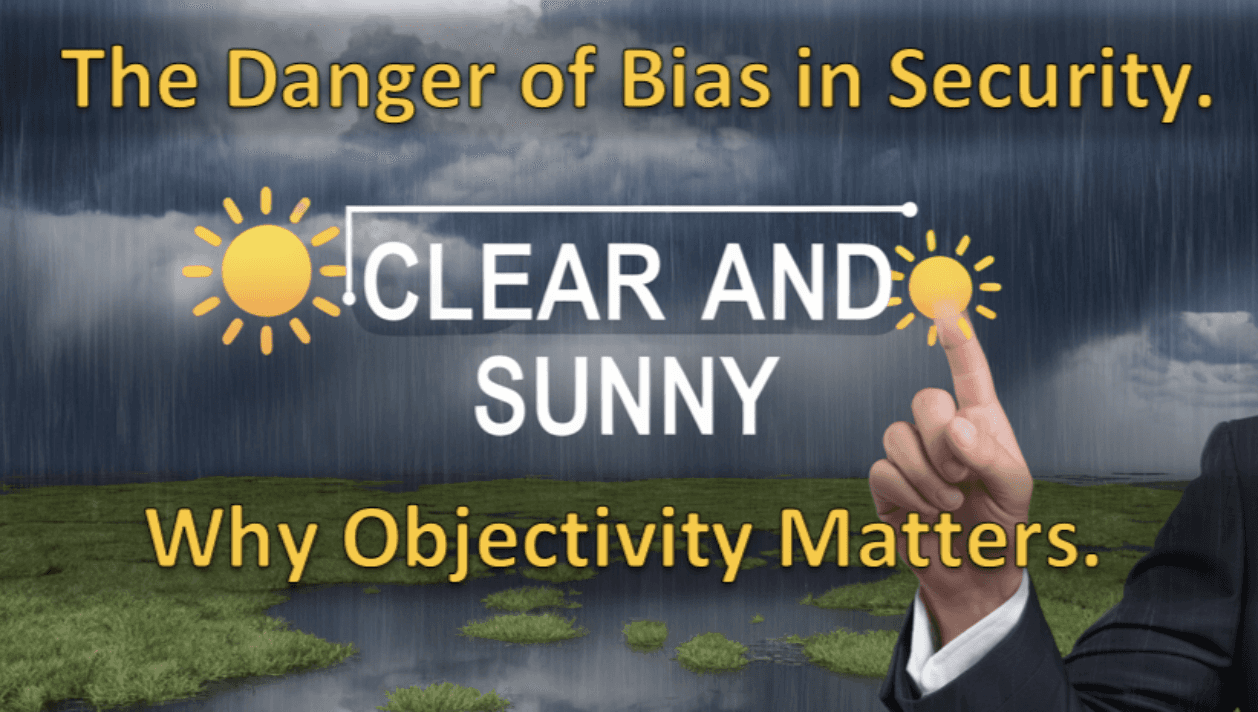
The dangers of bias extend beyond poor risk assessments. If a security professional refuses to acknowledge objective reality, it calls into question their ability to think critically at all. Consider a meteorologist who insists on live television that it is clear and sunny despite torrential downpours behind them. Would their forecast be trusted? We have all encountered individuals who ignore clear evidence simply because it conflicts with their preferred narrative.
Now apply that same logic to security: If a professional allows cognitive bias to distort risk analysis, their ability to protect a client is fundamentally compromised.
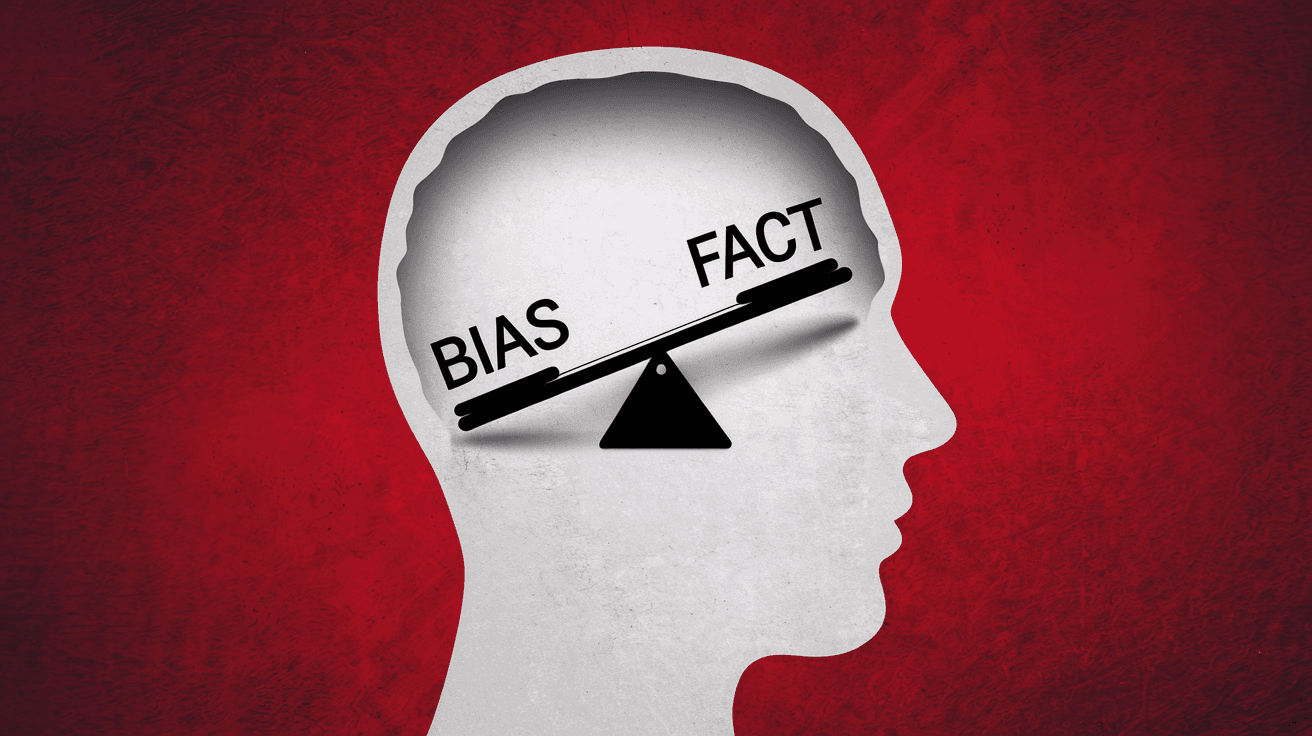
Cognitive Biases That Threaten Security Professionals’ Objectivity
Security professionals must recognize and mitigate the following biases:
Confirmation Bias – Prioritizing information that supports pre-existing beliefs while dismissing contradictory evidence.
Availability Heuristic – Overestimating risks based on recent experiences, media coverage, or personal anecdotes rather than objective analysis.
Anchoring Bias – Relying too heavily on initial information (the "anchor") when making decisions, even when new, more accurate data emerges.
Overconfidence Bias – Overestimating one’s own expertise, leading to poor assessments and disregarding critical input.
Ideological Bias – Allowing deeply held beliefs to distort risk evaluations, resulting in decisions driven by emotion rather than fact.
Clients expect objective, intelligence-driven assessments from security professionals, not opinions or dogma. Security is not about proving a point; it is about accurately assessing threats as they are, not as they fit a personal narrative.
Are personal biases influencing professional judgment? Are threats being misjudged because of confirmation bias? If so, the failure extends beyond the individual; it jeopardizes clients. The stakes are too high to allow personal opinions to interfere with professional responsibilities. At its core, security is about protection, not persuasion.
Have you encountered cognitive bias in your profession? If so, how did you handle it? I look forward to reading your insights.